|
Getting your Trinity Audio player ready...
|
Crude oil and gasoline gave up a sharp early advance on Monday and finished the session mixed, in a reminder of just how quickly sentiment in this market can flip on a single headline out of Washington.
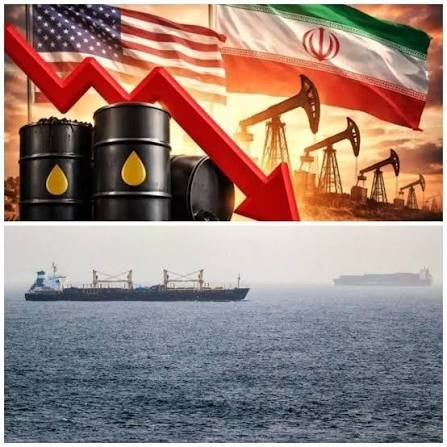
Prices jumped hard early in the day after hopes faded for a quick breakthrough that would reopen the Strait of Hormuz. That optimism collapsed over the weekend when President Trump rejected Iran’s latest proposal for ending the standoff, and the resulting jump in crude carried through the first part of Monday’s session. Then a US official said Trump is willing to offer Iran sanctions relief in exchange for concrete progress on its nuclear program, and the rally largely evaporated. By the close, crude had given back nearly everything it gained earlier in the day.
A separate factor compounded the pullback. The crack spread, the margin refiners earn for turning crude into gasoline and other refined products, fell to its lowest level in a month on Monday. A shrinking crack spread makes crude oil less attractive to refiners in the near term, since it means buying crude and processing it into fuel currently returns less profit than it did a few weeks ago. That’s a purely commercial signal rather than a geopolitical one, but it added extra downward pressure right as the sanctions relief report was already pulling prices lower.
The Wall Street Journal added more texture to what’s actually happening behind the scenes in the negotiations. According to the paper, American negotiators are pushing Iran to make concessions specifically on its nuclear program in an effort to revive stalled talks and satisfy Trump, who has made the nuclear issue one of his top priorities in this standoff. The Journal also reported something considerably more alarming for anyone hoping this conflict winds down quietly: Trump reportedly expects to resume a bombing campaign against Iran once the US midterm elections on November 3 are over, a detail that suggests any current lull in hostilities may be temporary rather than a genuine step toward peace.
Crude did find some support from a separate flashpoint over the weekend. Iran-backed Houthi militants based in Yemen launched drone and missile attacks against Saudi Arabia, adding a fresh reminder that the conflict’s risk to regional oil infrastructure extends well beyond Iran and the strait itself. Attacks on Saudi targets carry particular weight for oil markets given the kingdom’s outsized role in global crude supply, and even an attack that causes no lasting damage tends to put a floor under prices simply by keeping the threat of escalation visible.
The underlying disagreement between Washington and Tehran hasn’t moved much despite all the headline noise. Secretary of State Marco Rubio said last Wednesday that peace talks are being obstructed by leaders within Iran’s Revolutionary Guard, pointing to internal Iranian politics as much as anything happening at the negotiating table itself. Iranian President Masoud Pezeshkian, for his part, said the same day that Iran won’t allow free navigation through the Strait of Hormuz as long as sanctions and what he called a US blockade remain in place. Those are two fundamentally incompatible positions, and until one side moves, the pattern of headline-driven volatility that defined Monday’s session seems likely to continue.
This kind of whipsaw trading isn’t new to this particular conflict. Earlier in the month, oil see-sawed through an entire session after Trump told the United Nations General Assembly he believed a deal with Iran was achievable, only for markets to reprice again hours later once it became clear no agreement would come before the November election. A separate meeting between Trump’s envoys, Steve Witkoff and Jared Kushner, and Iranian representatives around the same time briefly pushed prices lower on hopes of genuine progress, before the underlying disagreements resurfaced and prices climbed back. Monday’s reversal fits that same rhythm: a headline moves the market sharply in one direction, only for a competing headline, sometimes within the same trading day, to pull it right back.
There were also signs pointing toward larger oil exports flowing out of Saudi Arabia even as the diplomatic standoff continues, part of a broader pattern this month of Gulf producers finding ways to keep supply moving despite the disruption around them, even if some of that supply relies on costlier, less efficient shipping workarounds rather than normal operations.
For traders, Monday’s session is a fairly clean illustration of where this market currently sits: genuinely undecided, reacting hour to hour to competing signals out of Washington and Tehran rather than settling into a clear trend in either direction. Until the two sides produce something more concrete than dueling statements and rejected proposals, that pattern of sharp rallies getting erased just as quickly looks set to keep defining how crude trades through the rest of this standoff.