|
Getting your Trinity Audio player ready...
|
Nigeria Now Requires Importers to Verify New Phones Through the NCC Device Checker: What Changed on October 7, 2026 for Importers, Sellers, and Buyers
What Is the New Device Verification Requirement in Nigeria?
The Nigerian Communications Commission (NCC) now requires importers to verify newly imported phones and other SIM-enabled devices through its Device Checker system. The enhanced Type Approval Compliance framework took effect on October 7, 2026. NCC officials explained the rules at a media briefing in Abuja on Tuesday, October 13, 2026.
The framework covers phones, tablets, modems, and point-of-sale (POS) terminals. Its stated aims are to block counterfeit, cloned, and unapproved devices from Nigerian networks and to protect consumers.
What Is the NCC Device Checker?
The Device Checker is an NCC service that shows whether a device model is Type Approved and whether a specific device is verified for use on Nigerian mobile networks. Type approval confirms that a device model meets the applicable technical and regulatory standards. Models are tested before approval, according to NCC Director of Technical Standards and Network Integrity Edoyemi Ogoh.
The service works through three channels:
- USSD code: dial *315# and follow the prompts.
- Web portal: visit ncc.gov.ng/devicechecker.
- Toll-free line: call 315.
Section 132(2) of the Nigerian Communications Act 2003 requires service providers, equipment manufacturers, and suppliers to obtain type approval before communications equipment is sold or used in Nigeria. The NCC issued Type Approval Business Rules in August 2024, and the 2026 framework builds on them.
What Must Importers Do?
Importers must have newly imported devices verified, and businesses holding existing stock must have those units onboarded. The NCC says compliance responsibility rests mainly on manufacturers, importers, suppliers, and other businesses that place devices on the market. Four obligations follow from the NCC’s statements:
- Obtain type approval for each device model.
- Complete the verification process for every newly imported unit from October 7, 2026.
- Onboard devices already held in stock.
- Finish all required supplier processes, since incomplete processes can cause a device to be flagged.
Who Does the Rule Cover and Who Does It Not?
The rule applies to commercial importers and the devices they supply, and it does not require action from owners of phones already in use. The table sets out each group.
| Group | Requirement or effect | Detail |
|---|---|---|
| Importers of new devices | Verify newly imported devices | Applies from October 7, 2026 |
| Dealers with existing stock | Onboard stock through the system | Worked out with NCC and Customs |
| Individuals importing for personal use | Different process may apply | Procedure not detailed in sources reviewed |
| Owners of phones already active | No action needed | About 231 million devices already captured |
| Buyers of phones in Nigeria, new or second-hand | No registration needed | Can check status before paying |
| Travellers using foreign SIMs | International roaming unaffected | Confirmed by NCC |
Ogoh said the NCC will not retroactively blacklist existing devices, because earlier buyers had no verification tools. In his words, the subscriber does not have to do anything for devices already on the networks.
How Does the System Track Imported Devices?
The NCC works with the Nigeria Customs Service to verify devices at the point of importation and traces each unit to its importer. Ogoh said the system lets the regulator establish when a device entered Nigeria and how many units an importer brought in. The NCC says this data can support enforcement when consumers complain and sellers refuse remedies.
The NCC warned that smuggled devices will not be sellable through this process. Consumer checks at the point of sale complement the import-stage checks, especially for stock already with dealers.
How Can a Buyer Check a Phone?
*A buyer can check a phone by dialling 315# or using the web portal before paying. The steps below follow the NCC’s guidance.
- Dial *315# on the phone, or open ncc.gov.ng/devicechecker.
- Follow the prompts to check the current device, or enter another device’s IMEI.
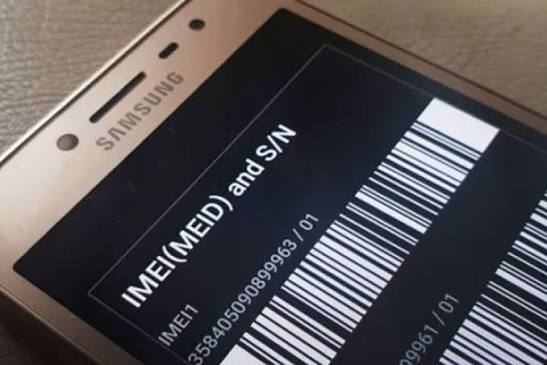
- Get the 15-digit International Mobile Equipment Identity (IMEI) by dialling *#06#, or read it from the phone’s box.
- Confirm the result says the device is Type Approved and verified for use on Nigerian networks.
- Ask the seller to resolve any mismatch before payment.
What Happens to an Unverified Device?
A new device that fails verification may not connect to Nigerian mobile networks. The NCC advised buyers who discover a problem after purchase to ask the seller for a replacement. Unresolved complaints, including a seller’s refusal, can go to the 315 helpline. The same helpline handles cases where a genuine device is wrongly flagged.
Ogoh said devices can be flagged for different reasons. One example is a supplier’s failure to complete the required processes.
Does the System Collect Personal Data?
The NCC says the system uses device identification information and cannot access messages, photographs, contacts, or financial data. Ogoh said it is not a surveillance tool. The NCC also tied the framework to network quality, since faulty devices can affect other subscribers on the same cell site.
What Is the Timeline?
The framework moved from rules in 2024 to enforcement in October 2026.
- August 2024: The NCC issues Type Approval Business Rules.
- 2026 (dates not stated): Consultations with manufacturers, importers, dealers, and industry associations.
- October 7, 2026: The enhanced Type Approval Compliance framework takes effect.
- October 13, 2026: The NCC explains the system at a briefing in Abuja.
What Details Remain Unclear?
Four details are not spelled out in the coverage reviewed.
- The exact process for personal imports.
- Penalties for non-compliant importers.
- The deadline for onboarding dealer stock.
- The meaning of a BusinessDay headline that refers to 30-day disconnection alerts, since NCC statements say existing phones keep working.
Importers can seek guidance from the NCC through its official channels, and the commission’s FAQ page on the Device Checker and Type Approval covers some of these points.
Does the Device Checker Close the Gap on Counterfeit Phones?
It adds a verification step at import and at sale, though results will depend on enforcement. The system now links device identity to importer records, covers about 231 million existing devices, and gives buyers a free check before payment. Whether it reduces counterfeit and cloned handsets will show in flagged-device counts, seizures at the border, and consumer complaints reaching the 315 line. The NCC has not yet published such figures.