|
Getting your Trinity Audio player ready...
|
The Always-Listening Gadget Boom Has a Problem Nobody’s Quite Solved Yet
Walk into any tech conference this year and you’ll spot them everywhere: pendants, pins, glasses and watches, all quietly promising to remember your day for you. AI wearables have finally shaken off the reputation they earned back in 2024, when the Humane AI Pin launched to a wave of scathing reviews and got discontinued not long after. What replaced that early stumble is a genuinely booming category of hardware built around one core idea: a device that’s always listening, always watching, and always ready to turn your surroundings into something an AI model can summarize for you later. The catch nobody’s fully worked out yet is what happens to everyone standing nearby who never agreed to any of it.
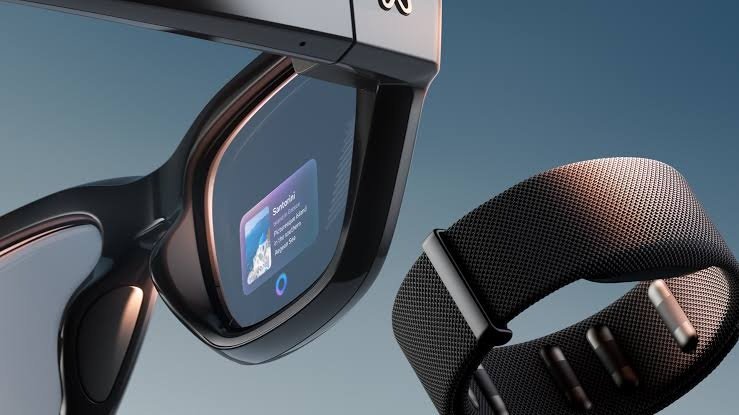
Apple gave that problem a mainstream spotlight this month with its Watch Series 12. Two new features, called Live Rewind and Siri Recap, let the watch listen for speech throughout the day, recover the last 15 seconds of a conversation as text on demand, and generate broader summaries of what was said over longer stretches. Apple insists it doesn’t store or access the raw audio itself, and the feature only activates when the wearer double-presses the Digital Crown. But the person sitting across the table from someone wearing that watch has no such opt-in button of their own. They just talk, unaware their words might already be getting quietly transcribed a few inches away.
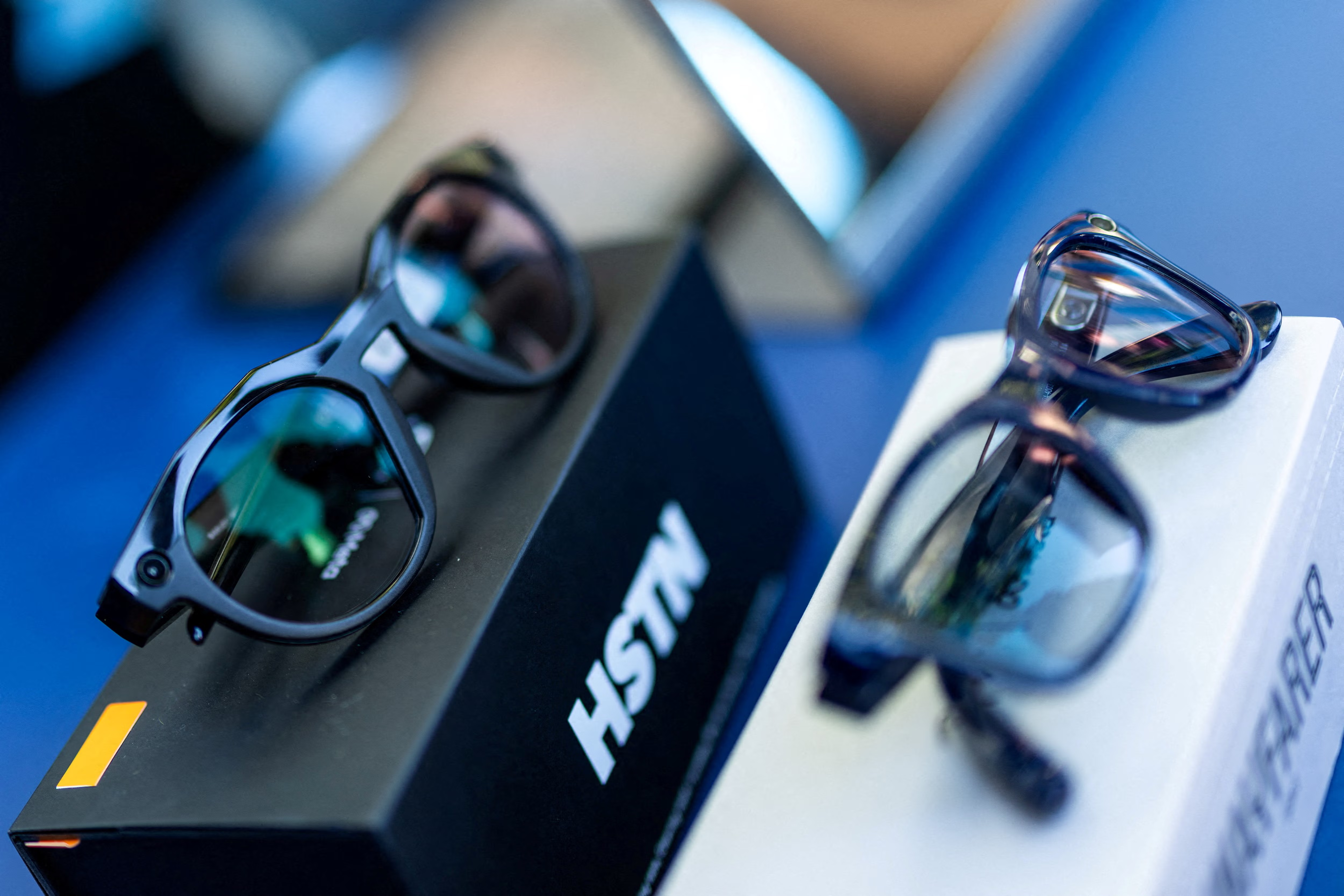
That gap between the wearer’s consent and everyone else’s total lack of it is what privacy researchers have started calling the bystander problem, and it’s not unique to Apple. Meta’s Ray-Ban smart glasses tackle it with a small capture indicator light that turns on whenever the glasses are recording, a light Meta designed with no off switch specifically so it can’t be disabled or hidden. A company spokesperson told CNN the light was built into the camera from the ground up so both the wearer and anyone nearby can feel at ease. It’s a reasonable idea on paper, but Calli Schroeder, senior counsel with a privacy-focused human rights program, pointed out the obvious flaw: most people aren’t in the habit of staring at someone’s glasses or wrist mid-conversation, so a tiny blinking light is easy to miss entirely, especially in a dim restaurant or crowded room.
New Apple CEO John Ternus, who took over from Tim Cook at the start of September, has already had to publicly address just how uncomfortable this category makes some people. Asked directly about backlash toward AI glasses, including critics who’ve taken to calling certain devices “pervert glasses,” Ternus acknowledged the concern rather than brushing it aside, a sign that even the companies building this hardware know the discomfort is real and not going away on its own.
Some products lean into the always-on concept even harder than a smartwatch or a pair of glasses. Bee, a screenless wearable acquired by Amazon, is built specifically to listen throughout someone’s entire day and turn that raw audio into personal summaries, reminders and insights, no camera required, just a microphone that essentially never stops. Plaud’s AI voice recorder takes a similar approach for meetings, lectures and clinical settings, transcribing and summarizing conversations automatically. And a separate wave of AI pendants that showed up at this year’s CES drew a genuinely hostile public reaction in New York, where subway ads for a pendant called Friend got covered in graffiti reading “go make some real friends,” a blunt bit of protest against what critics see as surveillance dressed up as a lifestyle accessory.
Regulators are starting to catch up, unevenly. The UK’s Information Commissioner’s Office issued 2026 guidance for consumer connected devices stating plainly that consent has to be real, specific and freely given, with privacy information written in plain language rather than buried in legal text nobody reads. France’s data protection authority, the CNIL, has separately issued its own advisories specifically targeting connected glasses. In the US, the picture is messier still, since roughly a dozen states, including California, Illinois and Florida, require all parties in a conversation to consent before it can legally be recorded, a rule that predates AI wearables entirely but applies awkwardly to a device that’s recording by default rather than by request. Workplaces handling sensitive health or education records have already started restricting camera-equipped wearables outright, treating them the same way many offices once treated smartphones with cameras during sensitive meetings.
Beyond the consent question sits a more mundane but arguably scarier risk: what happens once all that recorded, transcribed, summarized data actually exists somewhere. These devices generate a genuinely intimate record of someone’s daily conversations, and like any connected hardware, they’re vulnerable to hacking and data breaches. Security researchers have already flagged the possibility of that data ending up misused for AI-powered scams, since a leaked transcript full of someone’s actual speech patterns, relationships and daily routines is a genuinely useful tool for building a convincing impersonation attempt or a targeted phishing message.
None of this seems likely to slow the category down. Faster on-device processing, better battery life, and steadily shrinking hardware have finally made always-listening wearables practical in a way they weren’t a couple of years ago, and companies from Apple to Meta to Amazon are all treating this as the next major hardware battleground now that smartphone growth has flattened out. What’s far less settled is the social contract underneath it all: how a technology built to listen constantly is supposed to earn the trust of the people who never chose to be listened to in the first place.