|
Getting your Trinity Audio player ready...
|
Yemen’s Iran-backed Houthi movement has completed a rapid takeover of the Bab el-Mandeb Strait, seizing the strategic island of Mayyun, also known as Perim, after a week-long offensive that has killed hundreds of people and displaced tens of thousands more along Yemen’s western coast. The advance gives the group effective control over one of the world’s most important shipping chokepoints, a corridor connecting the Red Sea to the Gulf of Aden and, in turn, to the Suez Canal and the broader route linking Europe and Asia.
Houthi fighters reached Mayyun Island on boats after Saudi-backed Yemeni government forces withdrew from the position, according to a local government official and eyewitnesses on the ground. The island sits in the narrowest point of the strait and effectively divides it into two shipping lanes, meaning control over Mayyun gives the Houthis direct oversight of vessel traffic passing through the waterway. Officials said gunmen were seen deploying along the Bab el-Mandeb shoreline and driving military vehicles through the area in the hours following the takeover.
The Houthi advance did not stop with the island itself. Fighters also captured the port city of Mocha, located roughly 50 miles from the strait, and pushed along the coast until reaching a position just 12 miles from the African shoreline, effectively completing their control over Yemen’s entire Red Sea coastline. Yemeni officials confirmed on Monday that Houthi forces had gone on to seize two additional strategic islands in the area, expanding the group’s footprint even as Saudi-backed government forces attempted to claw back territory from the rebels’ rapid gains.
The offensive has come at a steep human cost. The United Nations migration agency said the fighting has displaced approximately 46,000 people, while more than 500 people have been killed since the Houthi push began earlier this month. The scale of the campaign marks one of the most consequential shifts in Yemen’s long-running civil war since the Houthis first seized the capital, Sanaa, more than a decade ago, and it opens what analysts describe as an entirely new battlefront in the broader regional conflict involving Iran.
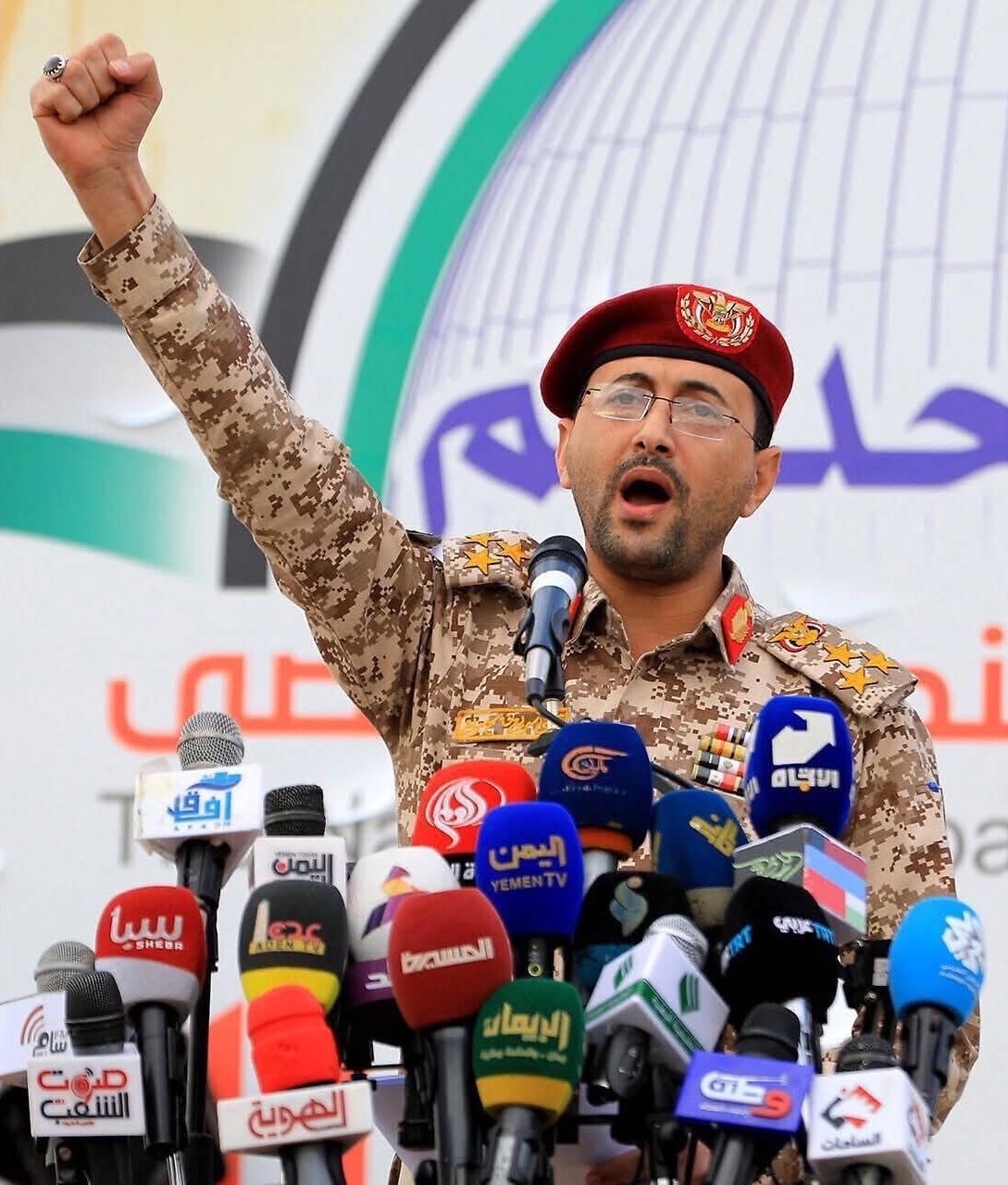
A senior Houthi politburo member, Hazem al-Assad, sought to reassure international shipping companies in the wake of the takeover, telling the Al-Araby al-Jadeed news outlet that freedom of navigation and international trade through the Red Sea and Bab el-Mandeb remain safe and orderly, and that vessels face no danger from the Yemeni side. That assurance came with a notable exception. Houthi military spokesman Yahya Saree later clarified that maritime navigation is safe for all companies except Saudi ships, which the group says remain banned from passing through the strait.
The takeover carries significant implications for Saudi Arabia’s oil exports. Riyadh had increasingly relied on the Bab el-Mandeb route to move crude oil after Iran effectively closed the Strait of Hormuz, through which roughly a fifth of the world’s traded oil and gas normally passes, in the early days of its own conflict with the United States. With Hormuz already restricted and Bab el-Mandeb now under Houthi control, Saudi Arabia finds itself with far fewer safe options for moving crude to international markets. The kingdom shut down a major oil pipeline as a precaution on September 11 after it came under attack, a move that analysts say reflects growing concern inside Riyadh over the vulnerability of its export infrastructure.
The geopolitical stakes extend well beyond Yemen and Saudi Arabia. Middle East analyst Fawaz Gerges said Houthi control over the islands near the strait shifts the regional balance of power, giving the group substantially greater leverage over Saudi Arabia, the Gulf states, the United States and global trade more broadly. China, one of the region’s largest oil importers, described the Houthi attacks on Saudi energy infrastructure as unacceptable and said Monday it was deeply concerned about the risk of further escalation. A planned meeting between Gulf foreign ministers and Iranian Foreign Minister Abbas Araghchi in Salalah, Oman, aimed at discussing a temporary mechanism for managing Red Sea shipping, was postponed after disagreements over the terms of the talks.
Egypt, whose Suez Canal revenue depends heavily on stable Red Sea shipping traffic, has so far maintained a policy of distancing itself from direct military involvement in Yemen, a position one regional conflict expert described as consistent with Cairo’s approach since the Gulf coalition first intervened in Yemen’s civil war in 2015. That restraint has held even as Houthi forces have threatened Red Sea navigation, intercepted shipping operations, and fired missiles toward Israel, developments that have already begun rippling into neighboring African economies despite the Houthis giving no indication they intend to extend military operations beyond Yemen’s borders.
For global markets, the immediate concern is oil prices. With Hormuz effectively restricted by Iran and Bab el-Mandeb now under Houthi control, analysts warn that combined threats to both chokepoints could push oil prices higher and add fresh inflationary pressure just as Gulf producers and importing nations alike look for ways to stabilize flows. Some regional observers suggest the situation may eventually force Gulf countries into a difficult choice between absorbing sustained economic losses or entering direct negotiations with Iran and its allies to protect trade and energy routes through the region.
With Saudi-backed forces reportedly attempting to reclaim lost territory and the Houthis showing no sign of retreating from their newly won positions, the situation along the Red Sea coast remains fluid and closely watched by shipping companies, oil traders and governments across the region. Continuing coverage of how regional conflicts are reshaping global trade and energy markets is available on Business Tech. Additional reporting on the unfolding situation can be found through Al Jazeera and NPR’s ongoing coverage of the conflict.