|
Getting your Trinity Audio player ready...
|
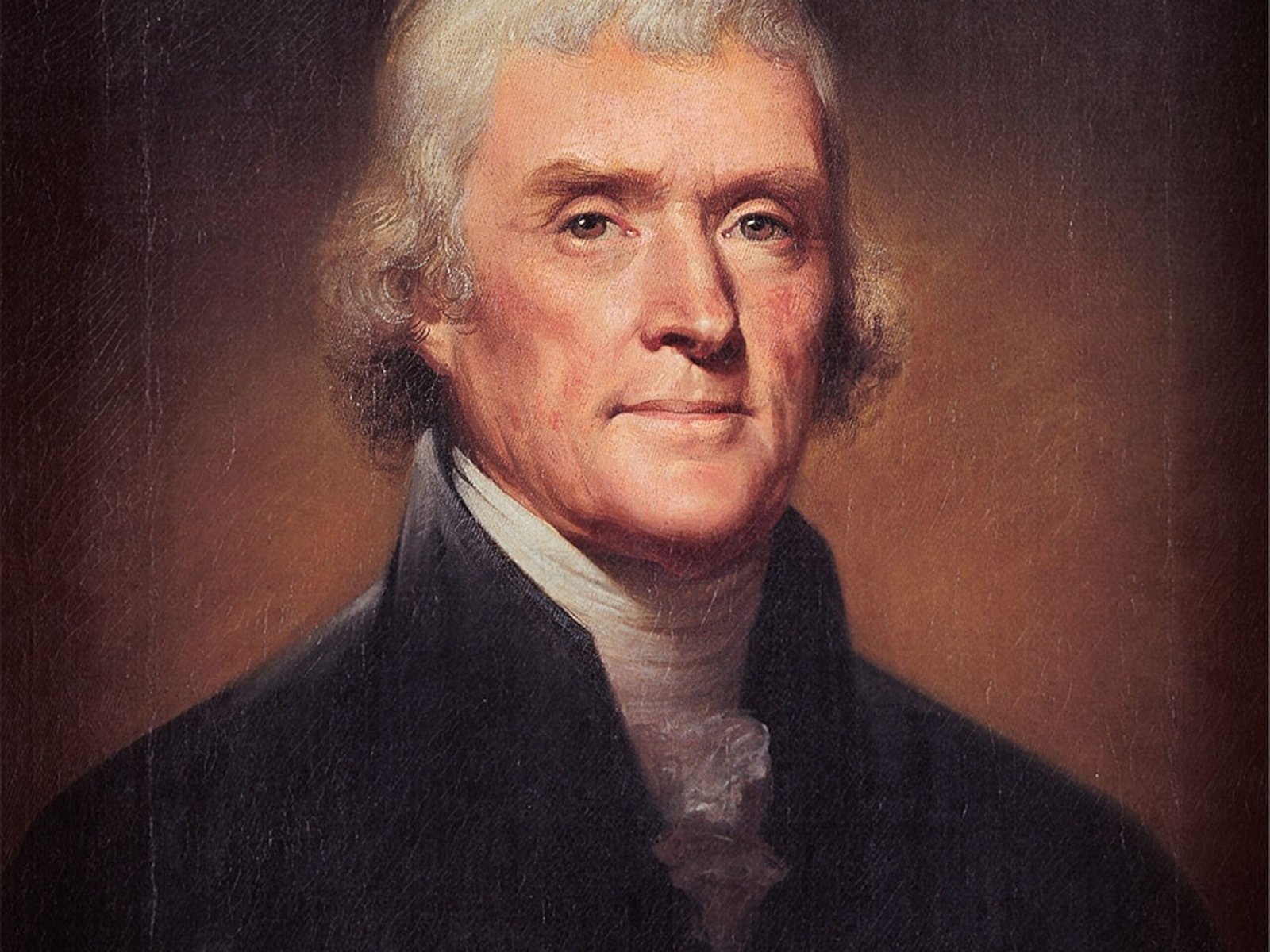
This one deserves a correction before anything else. The Thomas Jefferson Foundation’s own research center at Monticello lists this quote as spurious, meaning it doesn’t appear anywhere in Jefferson’s letters, speeches or writings. Its earliest known appearance in print dates to 2004, nearly two centuries after Jefferson’s death, and it wasn’t attributed to him in print until 2012. The honest attribution here is “unknown” or “often misattributed to Thomas Jefferson,” not Jefferson himself. The idea behind it still holds up regardless of who first wrote it down.
Most people can name something they want but don’t yet have, a different role, a stronger business, a skill they admire in someone else. Far fewer are willing to name the second half of that sentence honestly: the thing they’d have to start doing, differently, that they’ve never done before.
That gap between wanting a new outcome and being willing to take a new action is where most stalled ambition actually lives. The outcome changes. The behaviour producing the current outcome usually doesn’t. And without a change on the second side, the first side tends to stay exactly where it’s always been.
Here’s the distinction worth sitting with. Wanting is easy, it costs nothing and can be held indefinitely without any real consequence. Doing something genuinely new almost always costs something: comfort, certainty, or the safety of a routine that’s at least familiar, even if it isn’t working.
Picture two people who both want to grow their income significantly. One keeps wanting it while repeating the exact same weekly routine that produced the current income, hoping the outcome will eventually shift on its own. The other identifies one specific new action, pitching a new type of client, learning a skill outside their comfort zone, having an uncomfortable negotiation, and actually does it. Both people want the same thing with equal sincerity. Only one of them has given themselves any real chance of getting it.
Instead of only asking “what do I want,” it helps to ask the harder follow-up: what specific action, which I haven’t taken yet, would actually need to happen for that to become possible? Vague wanting rarely survives contact with that question, because it forces the want to become a decision instead of a wish.
It’s worth naming this plainly: doing something you’ve never done is supposed to feel unfamiliar, maybe even bad, the first few times. That discomfort isn’t a sign the new action is wrong, it’s simply a sign that it’s actually new. Waiting for it to feel natural before starting is, in practice, just another way of delaying it indefinitely.
The first time someone tries a genuinely new action, whether it’s a difficult conversation, an unfamiliar skill or an unconventional decision, it rarely goes smoothly. That’s not evidence the approach was wrong. It’s evidence that something unfamiliar was actually attempted, which is the entire point. Judging a new action by how awkward the first try felt usually leads people straight back to the comfortable routine that wasn’t working either.
This isn’t a single leap that, once taken, guarantees the outcome arrives. Most meaningful change comes from repeating a new, uncomfortable action enough times that it eventually stops being unfamiliar. People who actually get the thing they wanted usually didn’t do one bold thing once, they kept choosing the new behaviour consistently, long after the novelty and the discomfort had both worn off.
How to Put This Into Practice
You don’t need a dramatic life change to live by this idea, you just need to name one specific new action instead of one more vague want.
At work: is there a skill, a conversation or a type of project you keep wanting access to, without ever actually attempting the unfamiliar step that leads there?
In business: is there a market, a pricing model or a partnership you want, that would require doing something your current approach has never tried?
In personal life: is there a version of your routine, your health or your relationships you want, that’s still waiting on a new habit you haven’t started yet? The want can sit there indefinitely on its own. The new action is the only part that actually moves it anywhere.
Conclusion
This quote, whoever actually first wrote it, challenges a habit most people fall into without noticing: treating wanting something as if it were the same as working toward it. In reality, the two are only connected by whatever new action a person is finally willing to take.
Wanting something you’ve never had doesn’t require a complete reinvention of your life. It requires one unfamiliar step, repeated enough times to stop feeling unfamiliar, which is likely why this line kept spreading long after its real author was lost to history.