|
Getting your Trinity Audio player ready...
|
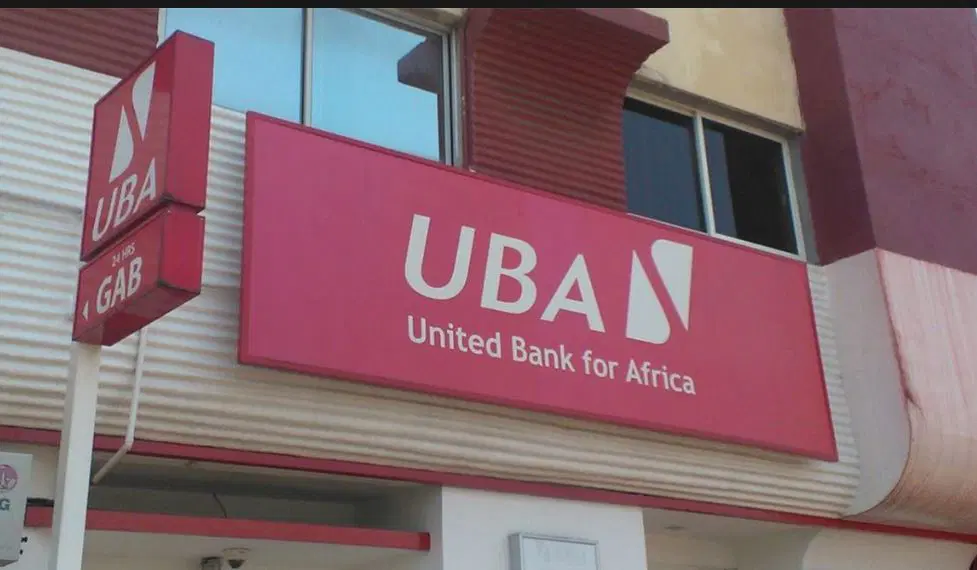
United Bank for Africa Plc has confirmed that its audited half-year financial statements for 2026 will reach investors later than usual, after securing an extension from the Nigerian Exchange Limited to file the results by September 30. The disclosure, made through a regulatory filing, clarifies a process that had already been quietly moving forward behind the scenes over the past couple of weeks, and it puts UBA in the same position as several other Nigerian banks navigating a stricter regulatory approval pipeline this earnings season.
According to the statement issued by Group Company Secretary and Legal Counsel Bili Odum, UBA’s Board of Directors approved the bank’s financial statements for the six months ended June 30, 2026, at a meeting held on August 13. That approval, however, was only the first step. Before the results can be published and shared publicly, they still require sign-off from the Central Bank of Nigeria, the bank’s primary regulator. It’s that additional layer of regulatory review, standard for Nigerian deposit money banks but not always completed on the original timeline, that pushed UBA to formally request more time from the Exchange rather than risk missing its original filing deadline outright.
The Nigerian Exchange granted the extension, giving UBA until September 30 to submit its audited half-year results, provided the necessary regulatory approvals come through in time. UBA has stated it will notify both the Exchange and investors immediately once CBN approval is received, at which point the results will be released to the public. Until that happens, the bank’s closed period remains in effect, meaning insiders and connected persons are barred from trading UBA shares. That restriction will stay in place until 24 hours after the audited statements are formally published, a standard safeguard designed to prevent anyone with early access to unreleased financial information from trading ahead of the broader market.
UBA wasn’t alone in requesting this kind of accommodation. Fidelity Bank secured a similar extension from the Exchange around the same time, also targeting a September 30 submission deadline for its own H1 2026 audited results. The fact that two major Nigerian banks needed extensions in the same reporting cycle suggests the bottleneck sits more with the pace of regulatory review at the central bank level than with any specific issue unique to either institution’s internal reporting process. It’s also worth noting that other Nigerian lenders, including Zenith Bank, have reportedly received their own extensions this earnings season, reinforcing that this looks like a broader industry pattern rather than an isolated case tied to UBA specifically.
Market reaction to the news was fairly muted but not entirely indifferent. UBA’s share price dipped by 1.44 percent to close at N44.45 following the disclosure, while Fidelity Bank’s stock fell more sharply, dropping six percent to close at N18.80 on the same trading day. Investors generally don’t love uncertainty, and a delayed earnings release, even one explained by a routine regulatory approval process rather than an underlying financial problem, tends to introduce a bit of caution into short-term trading behavior. Whether that dip reflects genuine concern about UBA’s results or simply reflects investors adjusting position sizes while waiting for concrete numbers is difficult to say definitively without more data, but the price movement is a useful signal of how sensitive bank stocks remain to any disruption in their normal reporting cadence.
For context on where UBA stood heading into this reporting period, the bank’s first-quarter 2026 interim results showed total assets of ₦33.13 trillion as of March 31, a marginal decrease from the ₦33.17 trillion recorded at the end of 2025. Total liabilities came in at ₦28.82 trillion, also slightly down from year-end figures, while total equity stood at ₦4.31 trillion. No dividends were declared during that three-month period. The Q1 filing also disclosed that the group is currently involved in 1,731 legal cases with total claims estimated at ₦1.29 trillion, though the bank’s directors, based on legal counsel guidance, don’t anticipate that these will result in material losses beyond what’s already been provisioned for. That level of legal exposure is not unusual for a banking group of UBA’s size and geographic reach, but it remains a detail worth watching as the half-year results eventually come into full view.
UBA operates across 20 African countries, with additional operations extending into the United Kingdom, United States, France, and the United Arab Emirates. The group employs roughly 30,000 people and serves more than 50 million customers globally, making it one of the largest and most geographically diversified banking institutions on the continent. That scale is precisely why investors are paying close attention to the upcoming half-year numbers. They’ll offer a clearer picture of how UBA’s earnings have held up through the first half of 2026, a period marked by continued monetary tightening in Nigeria, a strengthening naira, and rising foreign exchange reserves that have generally supported improved conditions for Nigerian banks with significant currency exposure.
Alongside the results announcement, UBA also disclosed the appointment of Ibrahim Puri as a Non-Executive Director, a governance update that came bundled with the same regulatory filing covering the audited statements. While board appointments of this kind don’t typically move markets on their own, they’re often timed to coincide with major reporting milestones, giving the bank an opportunity to signal continuity and strengthened oversight just as its financial performance comes under closer public scrutiny.
For now, the practical takeaway for UBA shareholders and market watchers is straightforward. The delay isn’t tied to any disclosed accounting irregularity or operational setback, but rather to the standard sequence of internal board approval followed by central bank sign-off before public release. That process has simply taken longer this cycle than in previous years, likely reflecting a broader tightening of regulatory review timelines across Nigeria’s banking sector rather than anything specific to UBA’s own financial position. With the September 30 deadline now formally in place, investors should expect the full audited half-year results, along with whatever fresh detail they reveal about earnings, asset quality, and currency-related gains or losses, sometime before that date closes out the extended filing window. For continued coverage of major financial and corporate disclosures across Nigeria’s banking sector, readers can follow ongoing reporting on Techchora.
Further regulatory filings and corporate disclosures from UBA are available through the Nigerian Exchange Limited’s official market disclosure portal, while the bank’s own investor relations page publishes its periodic financial statements once released.