
|
Getting your Trinity Audio player ready...
|
IDP Education Turns Down Blackstone’s Sweetened A$2.50 Takeover Bid, Calling It Substantially Undervalued
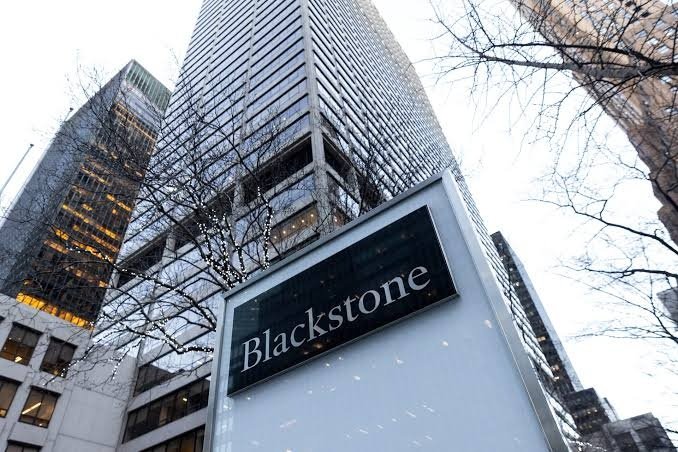
Australian education services firm IDP Education has knocked back a second takeover approach from private equity giant Blackstone, telling the market on Tuesday that even an improved offer still falls well short of what the business is actually worth.
Blackstone Singapore lodged the latest proposal on September 9, offering A$2.50 a share in cash for a company that co-owns the IELTS English language testing system used by students worldwide. That price tag valued the entire business at roughly A$694.7 million, or about $493.79 million in US dollars. It wasn’t Blackstone’s first attempt either. IDP had already turned away an earlier approach from the same suitor at A$2.30 a share, and Tuesday’s rejection makes clear the board isn’t prepared to budge much from that stance even with more money now on the table.
IDP’s directors didn’t mince words in explaining the decision. The board described the proposal as highly opportunistic, arguing that Blackstone’s timing takes unfair advantage of a rough patch the business is currently working through, including broader headwinds hitting the international education sector and a multi-year turnaround plan the company says hasn’t yet delivered its full results. In the board’s view, A$2.50 a share simply doesn’t account for what IDP believes the business could be worth once that turnaround actually plays out, meaning shareholders would effectively be selling out right before the payoff arrives rather than after.
There’s a technical wrinkle worth noting in how both Blackstone offers were structured. Under the terms of the proposal, whatever price IDP shareholders would eventually receive gets reduced by any dividends or other distributions the company pays out in the meantime, meaning the headline A$2.50 figure isn’t necessarily the final number shareholders would walk away with if a deal ever went ahead on those terms.
Investors, for their part, don’t seem convinced the story is over. IDP shares jumped 20.7 percent on the news, closing at A$2.16, their strongest finish since August 19. That still leaves the stock trading a fair distance below Blackstone’s A$2.50 offer price, a gap of roughly 34 cents, or about 16 percent, that traders sometimes call the deal spread. That gap is essentially the market placing its own odds on what happens next: whether Blackstone walks away entirely, whether the board’s rejection genuinely holds, whether regulators end up factoring into the picture at all, or whether Blackstone eventually returns with a number IDP’s directors find harder to say no to. A narrowing spread would normally signal growing confidence that talks resume or a better offer is coming; a widening one usually means the market has started to write the deal off altogether.
Blackstone’s A$2.50 bid represented roughly a 56 percent premium over where IDP shares had been trading just before the offer landed, a discount that says as much about how far the stock had fallen as it does about Blackstone’s generosity. IDP has had a genuinely difficult run over recent years. Its share price has dropped more than 40 percent over just the past 90 days, and shareholders have watched the stock’s total return sink more than 70 percent over the past year and nearly 95 percent over five years, a decline steep enough to make even a private equity buyout at a steep premium to recent trading levels look, at first glance, like a lifeline rather than an insult.
That backdrop makes the board’s rejection a genuinely bold call. Turning down money at more than a 50 percent premium to a battered stock price isn’t the kind of decision boards typically make lightly, and it signals IDP’s directors believe the company’s underlying business, still one of the world’s largest international student placement operators and a co-owner of one of the most widely used English proficiency exams globally, has considerably more recovery potential than its recent share price reflects.
The rejection also comes alongside a broader refresh of IDP’s board membership, with new directors Anne Brennan and Tracey Ah Hee joining the table, while long-serving directors Ariane Barker and Andrew Barkla have flagged plans to step down at the company’s 2026 annual general meeting. A governance shake-up landing at the same time as a high-profile takeover fight isn’t unusual, since new boards often want a fresh mandate before making consequential calls about a company’s independence, and it may help explain why IDP’s directors felt confident enough to reject a premium bid rather than opening negotiations toward a higher number.
For now, the ball sits back in Blackstone’s court. The private equity firm hasn’t publicly indicated whether it plans to walk away or come back with a third, higher offer, and IDP’s own trading price suggests the market genuinely isn’t sure which way this ends. Given that Blackstone has already returned once with an improved bid after an initial rejection, a third approach wouldn’t exactly be out of character, but whether IDP’s board would find any number acceptable while its turnaround plan remains unproven is very much an open question.