|
Getting your Trinity Audio player ready...
|
Dangote Slams the Door on Fuel Importers: What It Means for Your Next Tank of Petrol
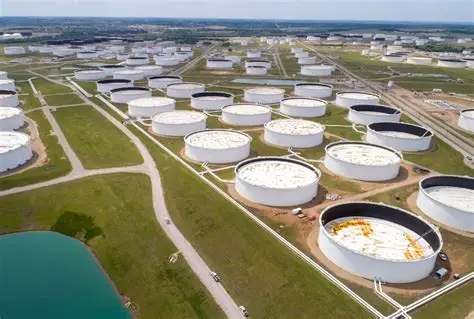
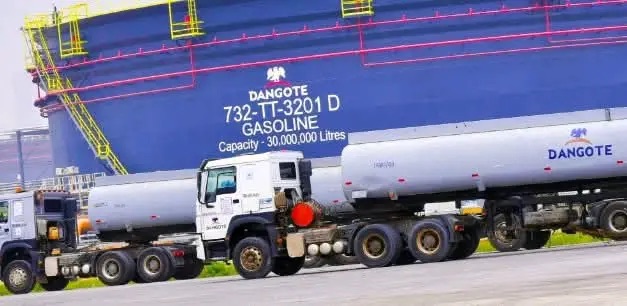
The refinery that now supplies roughly seven of every ten litres of petrol sold in Nigeria just told some of the country’s biggest fuel marketers to look elsewhere. The move, confirmed by refinery officials on October 6, has turned a long-simmering fight between local refining and fuel importation into the most closely watched story in Nigeria’s downstream market.
The Dangote Petroleum Refinery has stopped selling petrol to marketers that continue importing the product, according to a report first carried by Punch. Instead, the plant is directing its supply to independent marketers and other buyers that don’t bring in imported fuel, with members of the Independent Petroleum Marketers Association of Nigeria among the biggest beneficiaries. Six large marketers had previously been identified as holding licences to import petrol, and those are the companies now facing supply uncertainty at the refinery’s loading gantry. Officials tied the decision partly to concerns about imported and locally refined fuel getting mixed in the supply chain. It also didn’t come out of nowhere: the refinery warned in late August that it was considering exactly this step if importers kept bringing in cargoes.
To understand why the refinery feels strong enough to make this call, look at the market share numbers. Data from the Nigerian Midstream and Downstream Petroleum Regulatory Authority showed Dangote supplying about 71 percent of Nigeria’s petrol in August. Back in January, refinery chief executive David Bird said the plant was pushing about 50 million litres of petrol into the domestic market every day. When a single supplier holds that much of the market, deciding who gets to buy from it becomes a form of leverage that few companies in the country can match.
The timing is awkward for the regulator and for a government trying to bring prices down. Only days earlier, the federal government approved the import of 830,000 tonnes of petrol, and some marketers have gone to court over the continued issuance of import licences, while the refinery itself has challenged the licences the regulator hands out. The result is a tug of war in which domestic refiners argue imports undermine their investment, and importers argue that competition is the only thing that keeps pump prices honest.
Prices explain why both sides feel so strongly. By September 22, a fuel price report put the average increase in petrol and diesel prices across 2026 at 86.3 percent. The year began in a very different place: in late January, NNPC outlets were selling petrol at ₦835 per litre in Lagos and ₦839 in Abuja, after Dangote lifted its gantry price to ₦799 following a festive-season price of ₦699. By February 10, the refinery had trimmed its gantry price to ₦774. Then the war involving Iran sent global crude and fuel prices sharply higher, and local prices followed. By the final days of September, Dangote’s gantry price stood at ₦1,325 per litre after a ₦25 cut from ₦1,350, and NNPC retail outlets had adjusted to ₦1,370 in Abuja and ₦1,360 in Lagos in response.
Here’s the twist that makes the importer standoff more than a turf war: imported petrol isn’t always the cheaper option, and the advantage keeps flipping. Industry data compiled from Major Energy Marketers Association of Nigeria figures showed that the cost advantage between imported fuel and Dangote’s gantry price reversed at least four or five times between October 2025 and July 2026. In March, Dangote’s ₦1,275 price sat ₦136 above import parity. In June, imported petrol arrived about ₦141 per litre below the refinery’s price. By July 29, the gantry price of ₦1,215 sat marginally below the ₦1,223 import landing cost. And in the most recent comparison, imported petrol landed at roughly ₦1,304 per litre, about ₦21 under Dangote’s ₦1,325, before distribution costs are added. When the gap narrows to that degree, a marketer’s decision to import or buy locally can hinge on logistics and timing rather than any big structural difference.
The local competition picture is far from uniform either. Depot prices reported in July showed Dangote, Ardova, Nipco and Sahara all clustered around ₦1,075 per litre in Lagos, while prices in Port Harcourt and Warri moved on their own logistics and demand patterns. Diesel has been even more volatile, with Dangote holding its depot price near ₦1,500 per litre at one point this summer while rivals moved by small amounts in either direction. Analysts have long noted that Nigeria’s downstream market has become increasingly regional, with transport costs and depot inventory shaping prices well beyond what happens at the refinery gate.
Not every prediction has panned out. In July, independent marketers suggested that buying directly from the refinery could push petrol below ₦800 per litre, a forecast that collided with a global price surge that arrived shortly afterward. It’s a useful reminder that no refinery, however large, can fully insulate Nigerian pump prices from what happens in international crude markets.
For ordinary drivers, the practical question is whether this week’s supply shake-up pushes pump prices up or down. Marketers cut off from the refinery could be forced to rely on imports, which have recently been cheaper at landing, or to pay more elsewhere if supply tightens. Independent marketers gaining priority access could offset some of that by selling more refinery product through their own stations. The honest answer is that nobody knows yet, and the next few weeks of gantry prices, import licence rulings and court decisions will show which side’s logic wins out.